
Popular Foundation Repair Solutions For Long-Term Support
Explore proven products that help you achieve durable and effective foundation repairs with confidence.
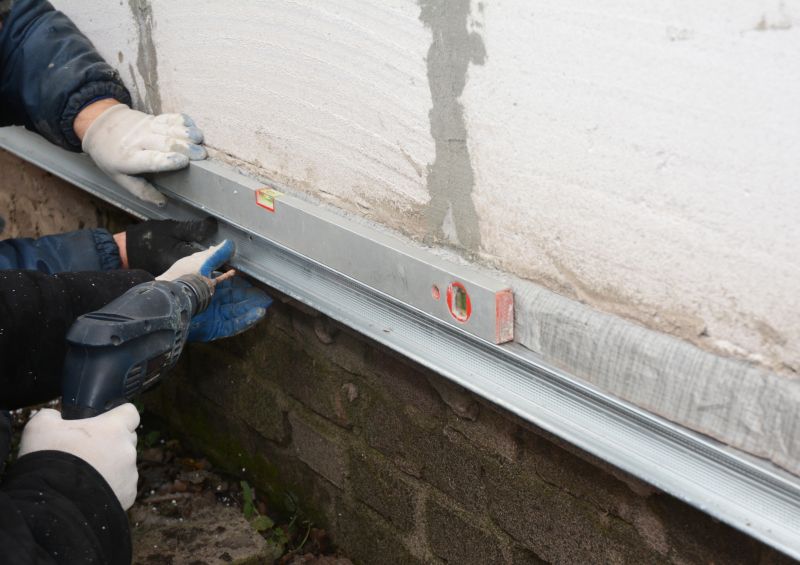 Foundation repairs are a critical aspect of maintaining the structural integrity of a building, especially in areas like Crown Point, IN, where soil conditions and weather patterns can influence the stability of structures. A variety of products are available to address foundation issues, ranging from simple repair kits to advanced stabilization systems. Selecting the right products depends on the specific type of foundation problem, the severity of the issue, and the long-term goals for the property. Proper assessment by a professional is often recommended before choosing repair solutions.
Top Overall Option
Hydraulic Foundation Jack System
A hydraulic foundation jack system offers precise control for lifting and leveling uneven foundations. It is versatile and can be used for various repair scenarios, providing a stable base for further stabilization. These systems are often adjustable and can accommodate different foundation sizes and conditions, making them a popular choice among professionals and experienced DIYers alike.
Types of Products For Foundation Repairs
Push Piers
Push piers are driven into the soil beneath the foundation to provide support and lift the structure back to its original position.
Helical Piles
Helical piles are screw-like anchors that are inserted into the ground to stabilize and support foundations, especially in variable soil conditions.
Mudjacking and Slab Jacking
This method involves injecting a slurry beneath concrete slabs to lift and level sunken areas, restoring stability.
Underpinning Systems
Underpinning involves extending the foundation's support deeper into stable soil layers to address settlement issues.
Crack Injection Kits
These kits are used to fill and seal cracks in concrete or masonry to prevent water infiltration and further deterioration.
Soil Stabilization Compounds
Chemical solutions that improve soil stability, reducing shifting and settling around the foundation.
Foundation Repair Braces
Support braces are installed to reinforce walls and prevent further cracking or movement.
Waterproofing Membranes
Membranes applied to foundation walls to prevent water intrusion and reduce hydrostatic pressure.
Vibration and Soil Compaction Tools
Equipment used to compact soil around the foundation, minimizing future shifting.
Drainage Systems
Proper drainage solutions help divert water away from the foundation, reducing moisture-related issues.
Foundation Monitoring Devices
Sensors and gauges that track shifts or movements in the foundation over time for early detection.
Steel Push Piers
Heavy-duty piers designed for deep foundation support in challenging soil conditions.
Carbon Fiber Reinforcement
Materials used to reinforce cracked or bowing walls, providing additional strength.
Concrete Patching and Repair Mortars
Products used to repair surface cracks and restore structural integrity of concrete slabs.
Epoxy Injection Systems
Epoxy resins injected into cracks to bond and strengthen the existing concrete or masonry.
Foundation Ventilation Kits
Systems designed to improve airflow and reduce moisture buildup around the foundation.
Soil Moisture Control Products
Devices and systems to regulate moisture levels, preventing soil shrinkage or swelling.
Popular Choices
Widely used for leveling and supporting foundations during repairs, offering controlled lifting.
Commonly applied to seal cracks and prevent water infiltration in foundation walls.
Popular for quick stabilization and lifting of minor foundation settling issues.
Frequently selected for deep support in challenging soil conditions.
Often used to stabilize and support foundations that have experienced settlement.
A common choice for protecting foundations from water damage and hydrostatic pressure.
Preferred for enhancing soil strength before foundation repair work.
Popular for preparing soil around the foundation to minimize future movement.
Effective in directing water away from the foundation to reduce moisture-related issues.
Commonly used for repairing cracks in concrete and masonry structures.
Trending for ongoing assessment of foundation stability over time.
Frequently chosen for reinforcing bowing or cracked walls.
Popular for surface crack repairs and restoring the surface integrity.
Widely installed to improve water management around foundations.
Increasingly used for monitoring and managing soil conditions.
Commonly employed during foundation stabilization projects.
Often used to temporarily support walls and prevent further cracking.
Many foundation repair products are designed to reinforce, stabilize, or lift a sinking or cracked foundation. These include hydraulic jacks, underpinning systems, piers, and helical piles. Each type offers different advantages depending on the foundation's condition and the underlying soil characteristics. For instance, pier systems can transfer the load to more stable soil layers, while underpinning can provide additional support to compromised areas. Understanding the differences and applications of these products can help homeowners and contractors make informed decisions.
Beyond structural supports, there are also products aimed at preventing future issues. Crack injections, soil stabilization compounds, and moisture control systems can help mitigate common causes of foundation problems such as soil shifting, water infiltration, and settling. When selecting products, it's important to consider compatibility with existing structures, ease of installation, and long-term durability. Consulting with foundation specialists can provide valuable insights into the most suitable options for specific situations in Crown Point, IN.
Key Buying Considerations
- Assess the specific foundation issue to determine the most suitable product type.
- Consider the soil conditions and how they may influence product performance.
- Evaluate the severity and extent of foundation movement or damage.
- Check compatibility of repair products with existing foundation materials.
- Prioritize products with proven durability and resistance to environmental factors.
- Determine ease of installation, especially if considering DIY options.
- Review manufacturer instructions and recommended maintenance procedures.
- Consult with foundation repair professionals for tailored solutions.
- Consider long-term effectiveness and whether additional reinforcement may be needed.
- Evaluate the potential impact on property value and structural safety.
- Look into warranty and support options offered by product manufacturers.
- Ensure products meet local building codes and regulations.
- Factor in the cost of installation and whether professional services are required.
- Research customer reviews and product ratings for real-world insights.
- Consider future access for inspections or ongoing monitoring.